

Older houses often have a noticeably different indoor atmosphere from modern homes, and their ventilation patterns are one reason why. Building materials, window designs, roof structures, fireplaces, and earlier construction methods can create natural airflow that differs significantly from today’s more tightly sealed buildings. When modern air conditioning by Crown Power is introduced into these properties, the existing ventilation characteristics can become an important part of how the indoor environment is managed. Renovations may also alter airflow by sealing gaps, replacing windows, or changing room layouts. Understanding these differences helps explain why older houses can respond differently to heating, cooling, and ventilation systems, making their original construction an important consideration when assessing indoor conditions.
Why Windows Played a Larger Role
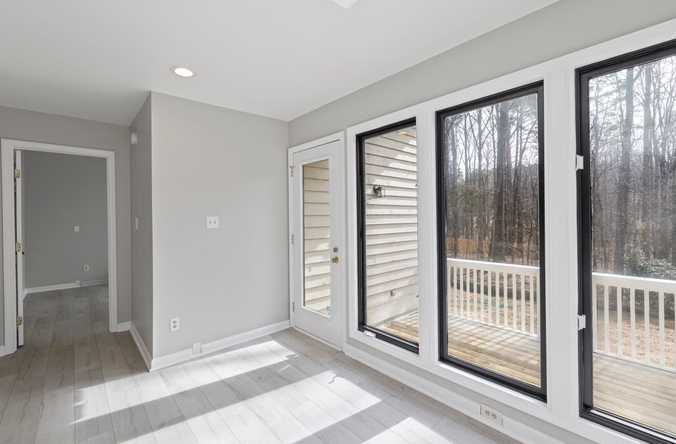
In many older homes, windows were a key way to control indoor air movement. Opening windows could create cross-ventilation when openings on different sides of a building allowed air to pass through rooms. Window design, room arrangement, and prevailing outdoor conditions all affected how effectively this occurred. Older houses may also have larger or differently positioned windows than later buildings, reflecting historical preferences for natural ventilation. These characteristics could make ventilation more dependent on occupant behavior and changing outdoor conditions.
How Building Materials Affect Airflow
Materials used in older construction can influence airflow and moisture movement through walls, floors, ceilings, and other parts of the building envelope. Masonry, timber, plaster, and traditional finishes can interact with indoor humidity differently from modern assemblies containing membranes, insulation systems, and tightly sealed joints. These materials alone do not determine whether a house is well ventilated. Instead, their characteristics shape how air and moisture behave within the structure, especially when combined with the building’s age and subsequent alterations.
Why Later Renovations Can Change Ventilation

An older house may no longer have the ventilation characteristics it had when it was originally built. Replacement windows, insulation, new flooring, roof improvements, sealed openings, and heating or cooling systems can significantly change airflow. A renovation may reduce unintended air leakage while leaving the original ventilation arrangements largely unchanged. This can create a different indoor environment from the one produced by the original construction. Understanding the building’s current condition is therefore important when examining how an older house exchanges air with the outdoors.
How Room Layout Influences Air Exchange
Older houses often have layouts that reflect historical patterns of domestic life, with room sizes, ceiling heights, corridors, fireplaces, and openings differing from contemporary floor plans. These features can influence how air travels between spaces. A fireplace or chimney, for example, may have historically contributed to air movement, while internal doors and partitions can restrict or redirect circulation. Changes in room use can further alter these patterns. Consequently, ventilation depends not only on the building envelope but also on the arrangement and function of individual spaces.
Older houses often have different ventilation characteristics because their construction methods, materials, windows, layouts, and heating arrangements developed under different building standards and living conditions. Air may have entered and escaped through pathways not part of a formal mechanical system, while later renovations can significantly alter those original characteristics. The resulting indoor environment depends on the interaction between the building envelope, room arrangement, ventilation equipment, and occupant behavior. Older construction therefore cannot be assigned one universal ventilation pattern, but its historical design can help explain why air movement differs from that of many modern homes.
…


 Invest in energy-efficient appliances for your new home, such as ENERGY STAR-certified refrigerators, dishwashers, washing machines, and HVAC systems. These appliances are intended to use less energy while providing maximum performance, resulting in decreased power costs and less carbon emissions. To save the most energy, choose appliances with high energy efficiency ratings and innovative features like programmable settings and smart controls.


 Neighborhood is one of the most crucial aspects to consider when searching for a new home. After all, your surroundings play a significant role in shaping your quality of life. So, as you explore potential neighborhoods, take the time to immerse yourself in each area’s unique vibe. Also, observe the overall cleanliness and maintenance of the neighborhood. Remember that finding a home isn’t just about four walls.
 Amenities can enhance your quality of life and overall satisfaction with your new home. It is advisable to consider what amenities are most important to you and your lifestyle. Are you an avid fitness enthusiast? Having a gym or fitness center nearby is a top priority for you. Enjoy spending time outdoors? Look for neighborhoods with parks, walking trails, or green spaces. Additionally, take into account the variety of amenities available in the area.


 The first step in any makeover is to declutter and eliminate anything you don’t need. This is especially true for a garage
 Last but not least, give your garage floor a makeover. It is one area that can take a beating. Over time, your garage floor can become stained and cracked. Applying an epoxy coating is a great way to protect your floor and give it a new lease on life. Epoxy is more durable than paint and will resist stains, chemicals, and wear and tear. It’s the perfect solution for a garage floor makeover.

 A whistling kettle is the most effective way to speed up your tea or coffee-making process. If you don’t want that, then an electric model will be more efficient than a stovetop one for this purpose. You should always check the speed rating of the kettle you’re buying before making your final decision. If you are an active type of person, a kettle with a high-speed rating will better you. If someone buys an electric or stovetop model designed to provide water at boiling point quickly, it will be able to do so in a much shorter amount of time than the other types.
 Kettles come in a variety of shapes and sizes. It is essential to determine what type of size you need before making a purchase decision. Some kettles come with a bottom element only. This is typically an indication that the kettle is not intended to be used for tea but also allows you to boil water very quickly, making it useful in less time-sensitive situations or when convenience trumps taste.


 A basement that is left for months can be the source of health issues. Without a basement dehumidifier, air quality may not be at its best. If you have a basement that is full of dust and dirt, it can be a breeding ground for pests like house mice and cockroaches. As we all know that these pests will not only destroy our belongings and steal on our food, but they can be the cause of health problems. Just imagine stepping on the urine of an infected rat. You can be exposed to the deadly leptospirosis.

 Look at Its History
 Compare the Price

 When you are out there searching for the right pest control company, one of the best factors that you should consider if you want to get the right services is to get recommendations. Also, you can decide to check with your state pest control associations to see qualified and registered experts that you can hire. If your neighbors, friends, and other family members can refer you to some pest control experts, visit them to check whether they can deliver the expected results.