
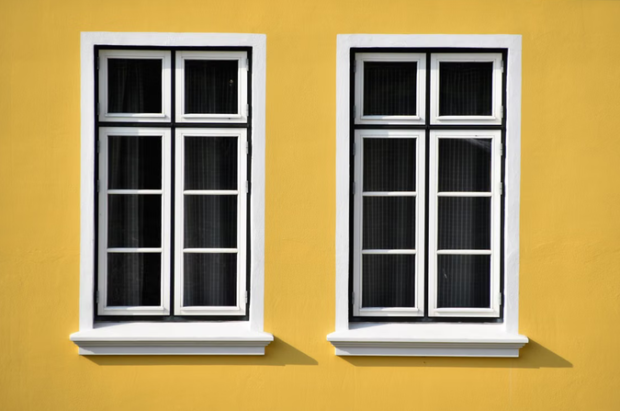
Older houses often have a noticeably different indoor atmosphere from modern homes, and their ventilation patterns are one reason why. Building materials, window designs, roof structures, fireplaces, and earlier construction methods can create natural airflow that differs significantly from today’s more tightly sealed buildings. When modern air conditioning by Crown Power is introduced into these properties, the existing ventilation characteristics can become an important part of how the indoor environment is managed. Renovations may also alter airflow by sealing gaps, replacing windows, or changing room layouts. Understanding these differences helps explain why older houses can respond differently to heating, cooling, and ventilation systems, making their original construction an important consideration when assessing indoor conditions.
Why Windows Played a Larger Role
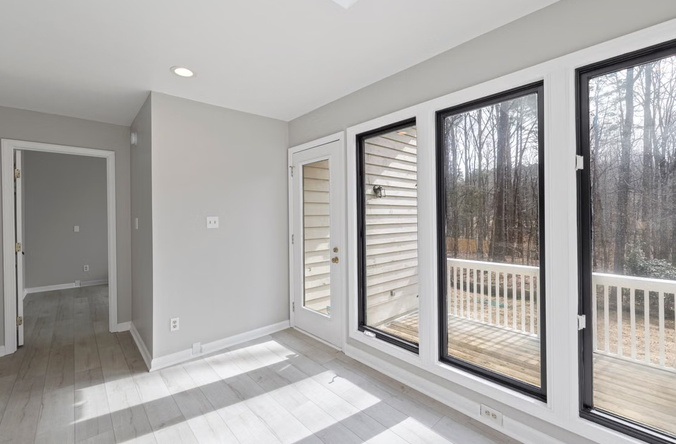
In many older homes, windows were a key way to control indoor air movement. Opening windows could create cross-ventilation when openings on different sides of a building allowed air to pass through rooms. Window design, room arrangement, and prevailing outdoor conditions all affected how effectively this occurred. Older houses may also have larger or differently positioned windows than later buildings, reflecting historical preferences for natural ventilation. These characteristics could make ventilation more dependent on occupant behavior and changing outdoor conditions.
How Building Materials Affect Airflow
Materials used in older construction can influence airflow and moisture movement through walls, floors, ceilings, and other parts of the building envelope. Masonry, timber, plaster, and traditional finishes can interact with indoor humidity differently from modern assemblies containing membranes, insulation systems, and tightly sealed joints. These materials alone do not determine whether a house is well ventilated. Instead, their characteristics shape how air and moisture behave within the structure, especially when combined with the building’s age and subsequent alterations.
Why Later Renovations Can Change Ventilation
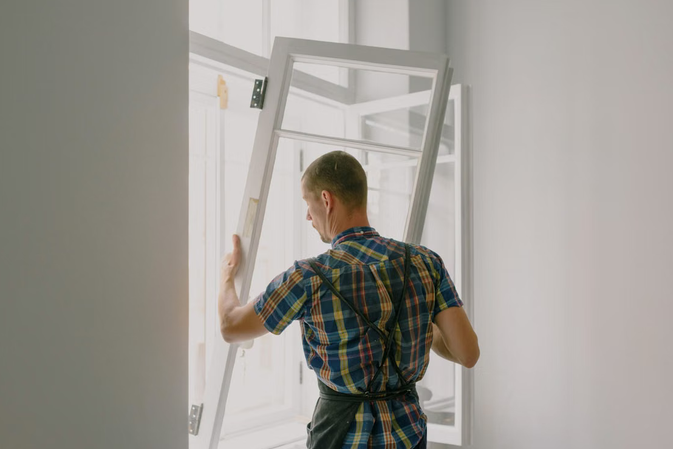
An older house may no longer have the ventilation characteristics it had when it was originally built. Replacement windows, insulation, new flooring, roof improvements, sealed openings, and heating or cooling systems can significantly change airflow. A renovation may reduce unintended air leakage while leaving the original ventilation arrangements largely unchanged. This can create a different indoor environment from the one produced by the original construction. Understanding the building’s current condition is therefore important when examining how an older house exchanges air with the outdoors.
How Room Layout Influences Air Exchange
Older houses often have layouts that reflect historical patterns of domestic life, with room sizes, ceiling heights, corridors, fireplaces, and openings differing from contemporary floor plans. These features can influence how air travels between spaces. A fireplace or chimney, for example, may have historically contributed to air movement, while internal doors and partitions can restrict or redirect circulation. Changes in room use can further alter these patterns. Consequently, ventilation depends not only on the building envelope but also on the arrangement and function of individual spaces.
Older houses often have different ventilation characteristics because their construction methods, materials, windows, layouts, and heating arrangements developed under different building standards and living conditions. Air may have entered and escaped through pathways not part of a formal mechanical system, while later renovations can significantly alter those original characteristics. The resulting indoor environment depends on the interaction between the building envelope, room arrangement, ventilation equipment, and occupant behavior. Older construction therefore cannot be assigned one universal ventilation pattern, but its historical design can help explain why air movement differs from that of many modern homes.
…